THE AG DRONES CROP PERFORMANCE SYSTEM — STEP 5 OF 5: OPTIMIZE
How Farm Data Can Improve Future Drone Applications and Agronomic Decisions
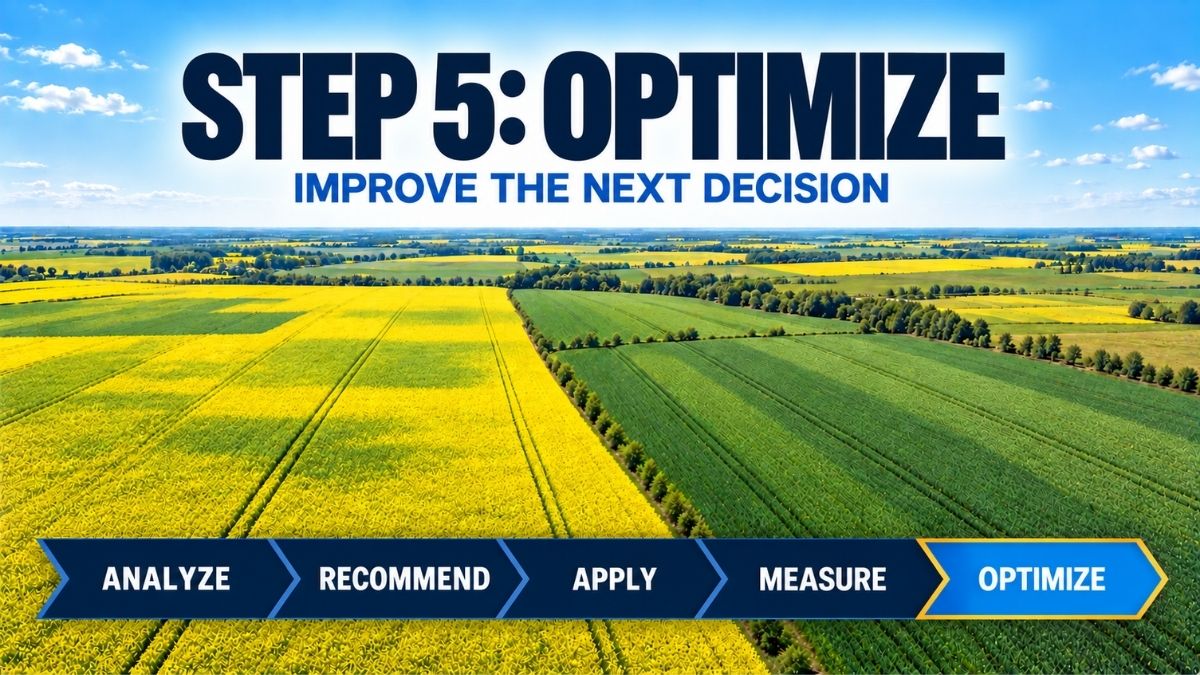
Growers can optimize drone applications with farm data collected throughout the season, including crop observations, application records, field results and operator experience. Step 5—Optimize—turns those findings into practical improvements for future agronomic decisions and application workflows.
Optimization completes—and restarts—the Ag Drones cycle:
Analyze → Recommend → Apply → Measure → Optimize
Optimization is not a one-time setting on a drone. It is the process of using field results, application records and operator experience to improve the next decision. When growers review what happened—not just what was planned—they can refine agronomy, timing, equipment setup and field logistics season after season.
Start with the original objective
Optimization begins by comparing the outcome with the reason for acting. Did the application protect a critical timing window? Was a wet or difficult field reached without wheel traffic? Did the treatment address the diagnosed concern? Was the cover crop established as intended? Were the operational and agronomic results worth the resources used?
The most useful review is specific. A general statement that the drone was fast or the crop looked good does not identify what should be repeated or changed.
How to optimize drone applications with farm data
A strong seasonal review combines crop response with the practical details of completing the work. Agronomic records may include drone imagery, scouting notes, Leaftech Scanner data, soil or laboratory tissue information, disease or weed observations and yield data where appropriate. Operational records may include acres, application rate, refill time, battery rotation, weather delays, field shape, travel and crew requirements.
- Which field conditions made drone access especially valuable?
- Which applications fit the platform and workflow best?
- Where did loading, mixing, charging or transport create delays?
- Were flight plans and boundaries prepared efficiently?
- Did the measurement plan capture enough evidence to judge the result?
- What training, maintenance or parts planning would reduce future downtime?
Improve the system—not just flight speed
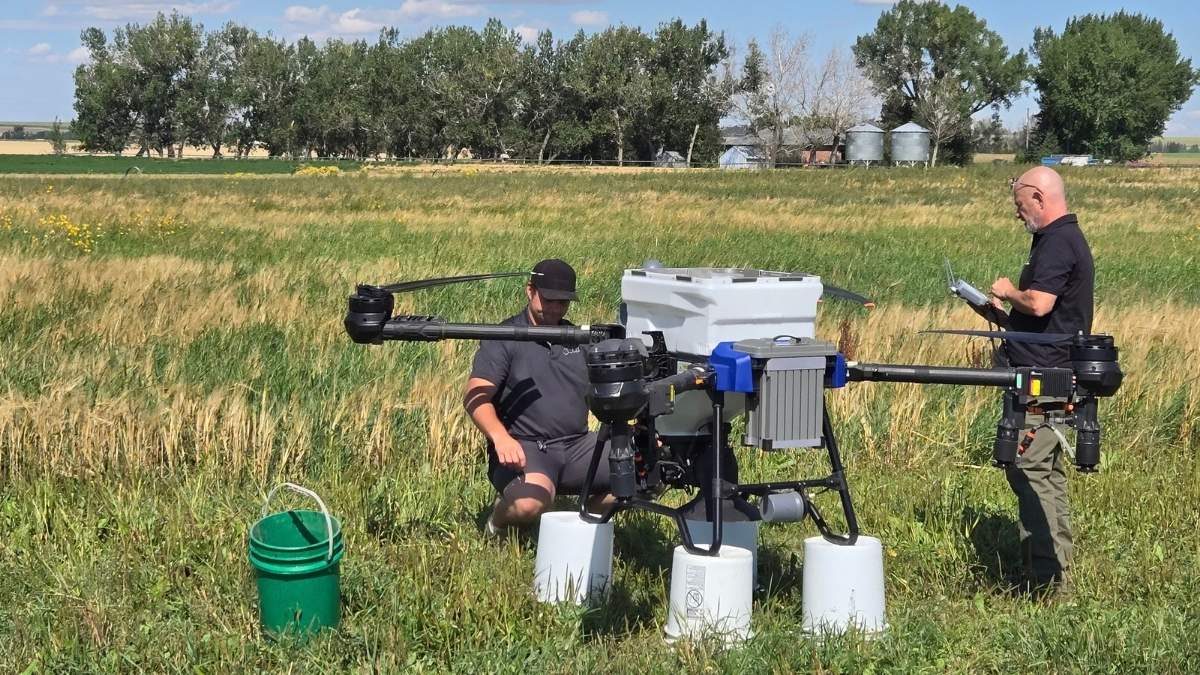
Faster flying is not automatically better application. Optimization must preserve label compliance, coverage, safety and agronomic fit. Improvements often come from better field preparation, more efficient refill logistics, consistent calibration, clearer crew roles, planned battery rotation and selecting the right drone for the work.
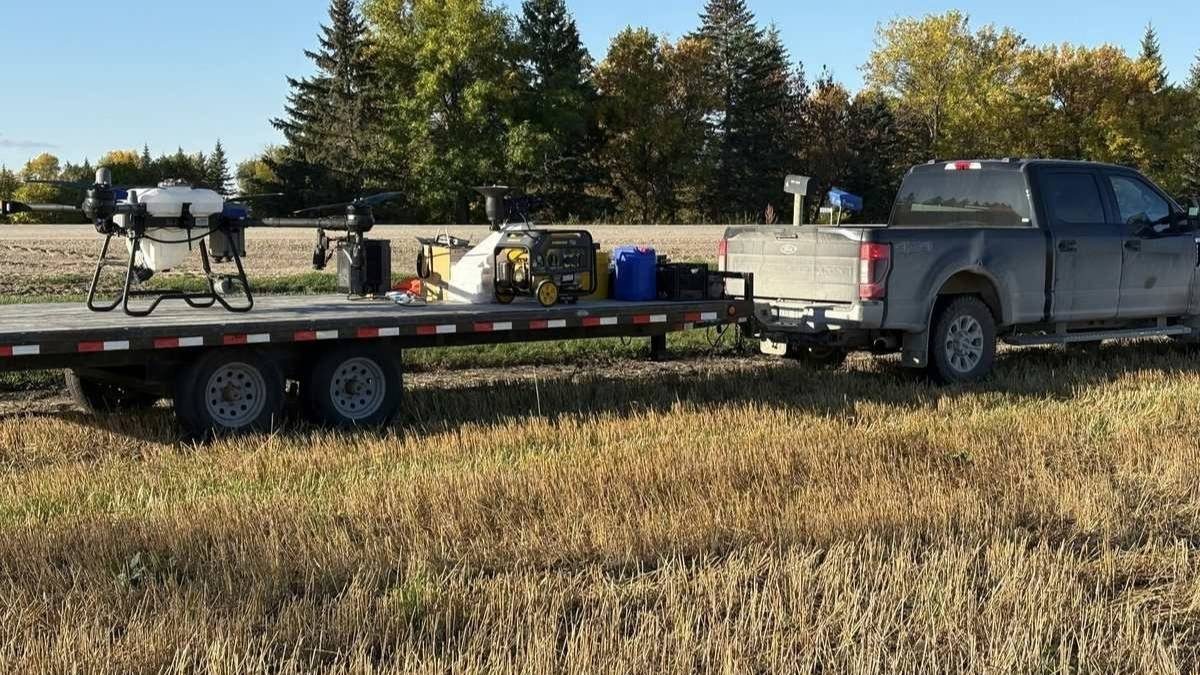
For some operations, the higher-capacity J150 may improve workflow on large-acre jobs. For others, the compact J70 may better suit transport, field size, terrain or application mix. The best choice is the one that fits the whole operating system.
Use return on investment as a decision framework
The value of drone technology can come from several places: completing timely work, accessing acres that ground equipment cannot reach, avoiding wheel-track crop damage, reducing application-related soil compaction, adding service revenue or improving labour flexibility. Costs include the equipment, training, insurance where applicable, batteries, charging, maintenance, support, transportation and crew time.
A realistic assessment uses the operation’s own acres, application types, timing constraints and workflow. Published maximum capacity figures should not be treated as guaranteed daily output. Field shape, rate, weather, travel and refill logistics all affect productivity.
Turn one season into a better starting point
The final step in optimization is deciding what should change next time. That might mean scouting earlier, collecting better baseline information, improving recordkeeping or refining how fields are selected and prepared for drone application. Operational improvements could include a more efficient loading setup, preventive maintenance or additional operator training. The goal is to turn what was learned during the season into practical improvements for the next one.
Then repeat the cycle
Optimize leads directly back to Analyze. The next season begins with better questions, stronger baseline information and a workflow informed by real experience. That is the purpose of the Ag Drones Crop Performance System: Analyze, Recommend, Apply, Measure, Optimize—and repeat. Better Data. Better Decisions. Better Results.
Ready to evaluate how agricultural drone technology could fit your operation? Talk to Ag Drones about the EAVISION J70, J150, training, support and crop-monitoring options.
Complete the cycle
Optimization leads back to Step 1 — Analyze, using what you learned to begin the next season with better information and stronger questions.
About the Ag Drones Team
Ag Drones Inc. is a Canadian source for EAVISION agricultural drone technology, training, parts and support. Powered by AgTek360, our team works with growers, operators and agricultural partners across Alberta, Saskatchewan and Manitoba, connecting field intelligence, agronomy and precision application through practical solutions designed for Canadian farming conditions.