For decades, self-propelled and pull-type sprayers have been the backbone of crop protection and nutrient application programs. They remain one of the most efficient ways to cover large acreages quickly and economically.
However, changing field conditions, increasing input costs, tighter application windows, and advances in drone technology have many growers asking a new question:
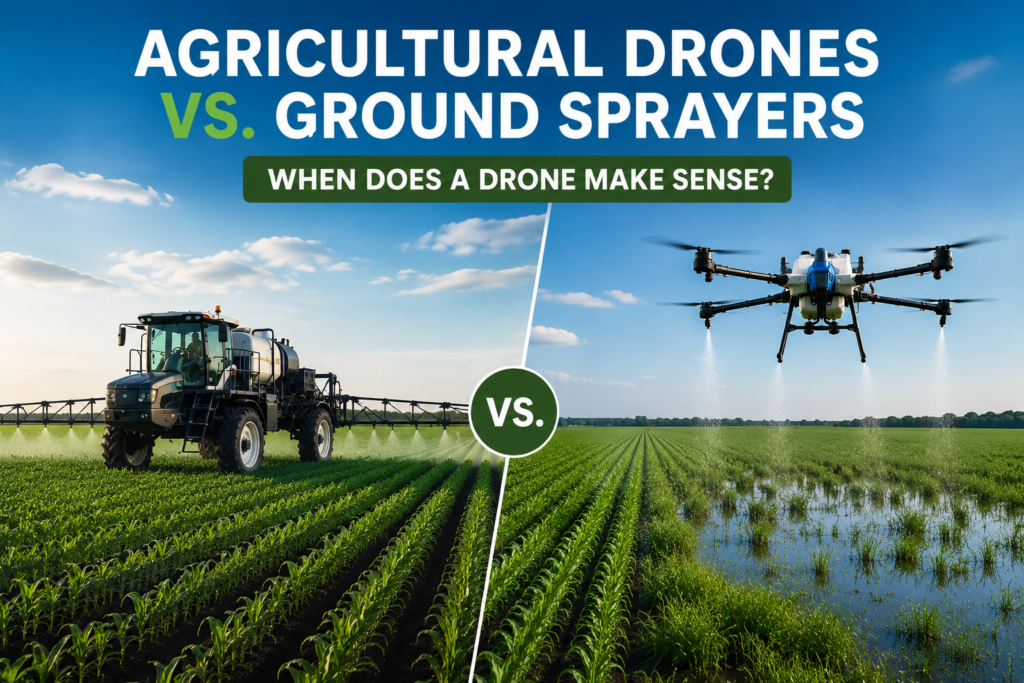
When does an agricultural drone make more sense than a ground sprayer?
The answer isn’t that drones replace traditional sprayers. Instead, they provide growers with another valuable tool—one that excels in situations where ground equipment may be limited.
Let’s look at where agricultural drones fit into modern farming operations and when they can provide the greatest value.
Ground Sprayers Remain the Workhorse
There is no denying the efficiency of today’s modern sprayers.
Ground sprayers offer:
- Large tank capacities
- High field speeds
- Excellent efficiency on large, accessible fields
- Lower cost per acre over extensive acreages
- Established workflows and operator familiarity
For broad-acre applications on dry, easily accessible land, ground sprayers remain an important part of most farming operations.
However, even the most advanced sprayers have limitations.
Where Ground Sprayers Face Challenges
Field conditions don’t always cooperate with application schedules.
Growers frequently encounter situations such as:
1. Wet Fields
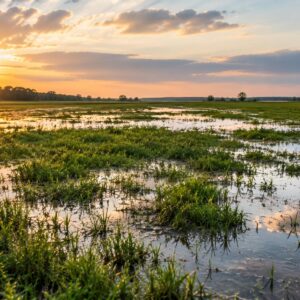
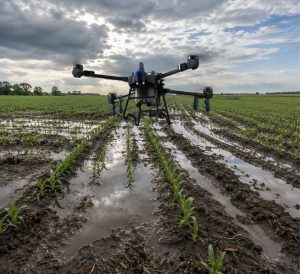
After rainfall events, fields may remain inaccessible for days.
Waiting can mean:
- Missed fungicide timing
- Increased disease pressure
- Delayed nutrient applications
- Reduced yield potential
2. Tall Crops
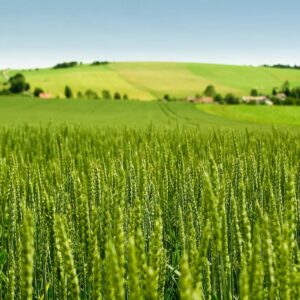
As crops advance through the growing season, driving through the field can result in:
- Crop trampling
- Wheel-track damage
- Reduced harvestable yield
3. Difficult Terrain
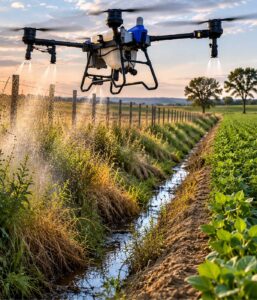
Areas with:
- Steep slopes
- Irregular field shapes
- Soft ground
- Waterlogged sections can be difficult or impossible to access safely with traditional equipment
4. Time-Sensitive Applications
Many crop protection products are most effective when applied within a narrow window.
When timing matters, delays can be costly.
Where Agricultural Drones Excel
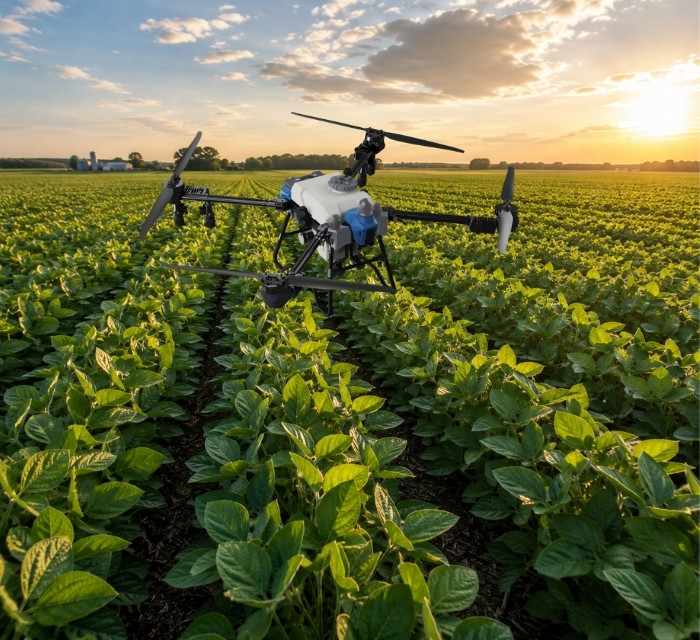
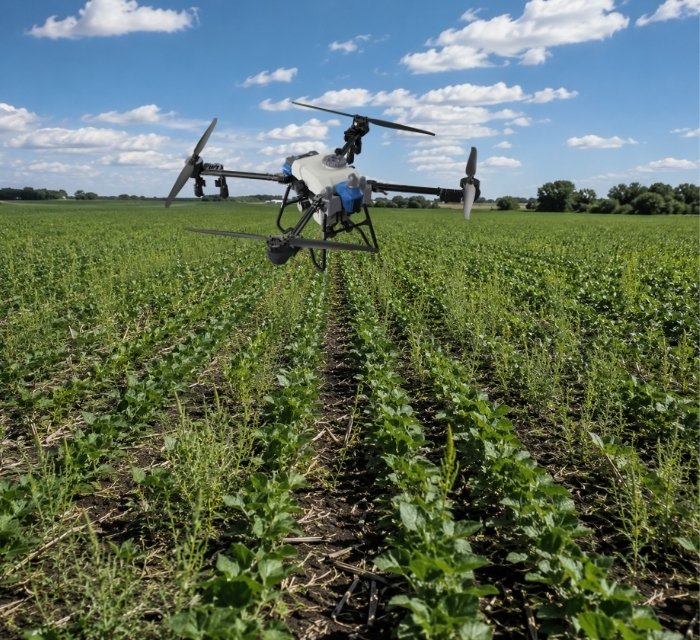
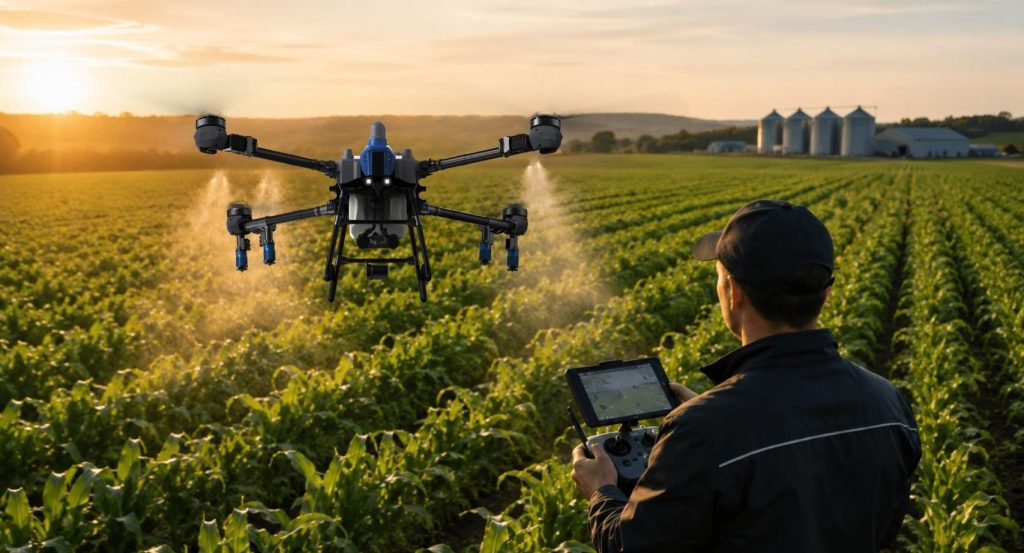
Agricultural drones provide a unique advantage because they operate above the crop canopy and require no direct field access.
Applications Well-Suited for Drones
1. Access Wet Fields Immediately
One of the most common reasons growers adopt drone technology is field accessibility.
Because drones launch from the field edge, they can continue applying when:
* Soil conditions are too soft
* Ruts are a concern
* Ground equipment risks getting stuck
This allows critical applications to be completed on time.
Learn more about Wet Terrain applications here.
2. Eliminate Crop Damage
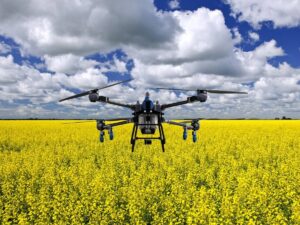
Traditional equipment creates wheel tracks and crop loss every time it enters the field.
Drone applications:
- Require no wheel tracks
- Avoid crop trampling
- Minimize stand damage
- Preserve harvestable acres
For high-value crops and late-season applications, this can provide significant value.
3. Improve Precision
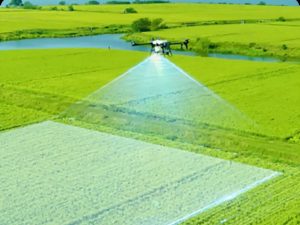
Modern agricultural drones utilize:
* RTK positioning systems
* Terrain-following radar
* Automated flight planning
* Variable flight parameters
This allows for highly accurate and repeatable applications across a wide range of field conditions.
4. Reach Difficult Areas
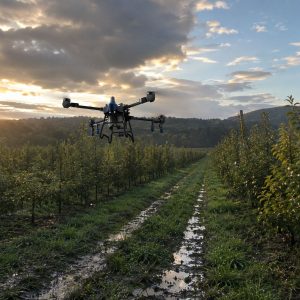
Many farms contain areas that are challenging for conventional equipment, including:
- Slough edges
- Hillsides
- Shelterbelts
- Narrow field sections
- Irregular boundaries
Drones can access these areas efficiently without requiring additional equipment passes.
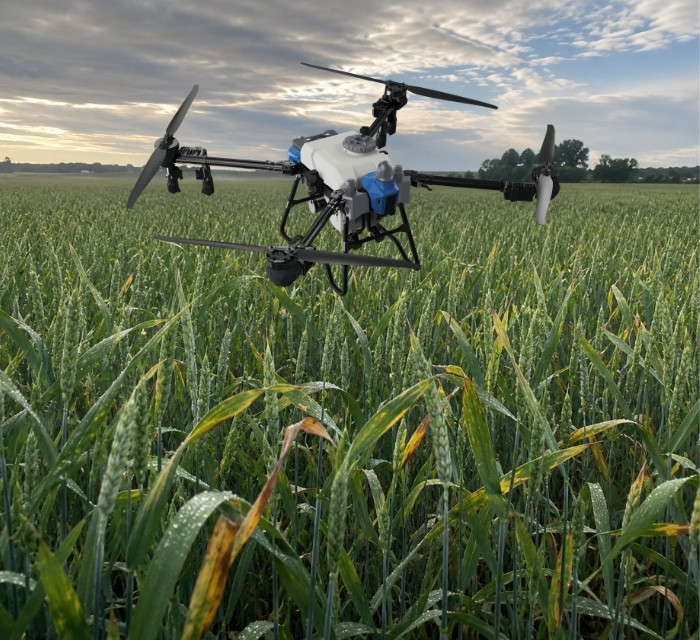
Applications Well-Suited for Drones
1. Fungicide Application
Timing is critical for disease control.
Drones allow growers to:
- Apply at optimal timing
- Avoid crop damage
- Access fields after rainfall
Learn more about Drone Fungicide Application here.
2. Foliar Nutrition
Many foliar nutrients require application during specific crop stages.
Drone technology provides:
- Fast deployment
- Precision placement
- Flexible scheduling
Learn more about Drone Foliar Nutrition Application here.
3. Herbicide Application
Drones are increasingly being used for:
- Spot treatments
- Difficult terrain
- Field edges
- Sensitive areas where precision is essential
Learn more about Drone Herbicide Application here.
4. Cover Crop Seeding
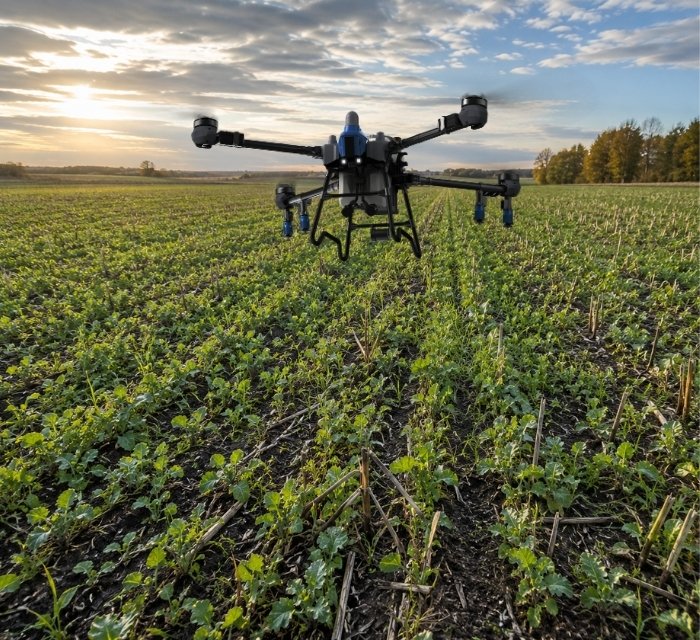
Agricultural drones can broadcast cover crop seed quickly and efficiently across existing crops or harvested acres.
Benefits include:
- Faster establishment
- Reduced equipment traffic
- Extended seeding opportunities
Learn more about Drone Cover Crop Seeding Application here.
Drones and Ground Sprayers Work Best Together
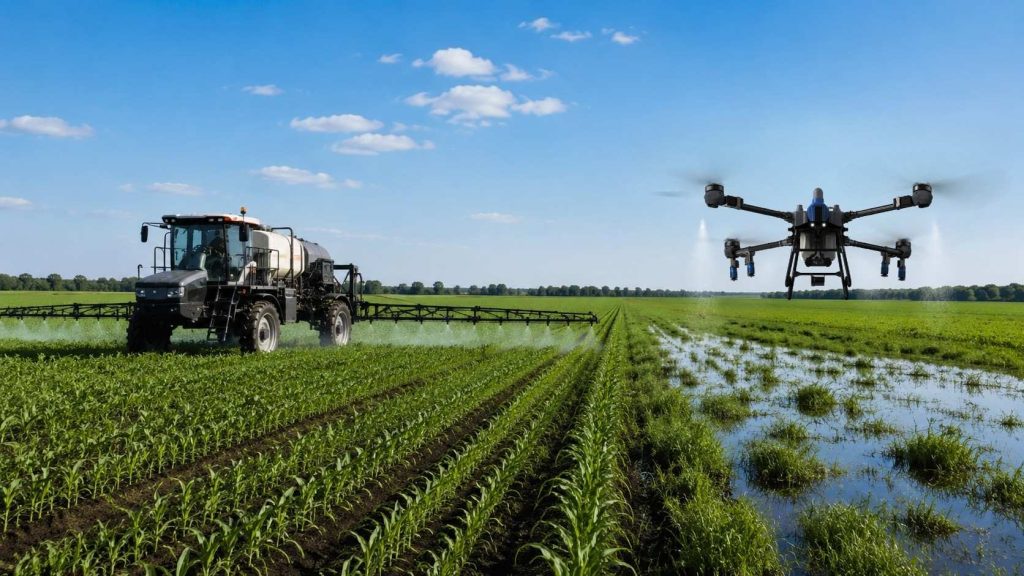
The most successful operations don’t view drone technology as a replacement for traditional spraying equipment.
Instead, they use both tools strategically.
Ground sprayers remain highly efficient for large-scale applications under ideal conditions.
Drones provide flexibility when:
- Fields are wet
- Timing is critical
- Crop damage is a concern
- Terrain limits access
- Precision applications are required
By combining both technologies, growers gain more opportunities to apply products when they will deliver the greatest return.
Is a Drone Right for Your Farm?
Every operation is different.
Factors such as:
- Farm size
- Crop mix
- Field conditions
- Application timing
- Custom application opportunities
all influence whether drone technology is the right fit.
The good news is that today’s agricultural drones are more capable, reliable, and productive than ever before.
For many growers, drones are becoming an important addition to the farm’s application toolbox—helping improve flexibility, protect yields, and keep critical applications on schedule.
Discover the Ag Drones Difference
At Ag Drones, we help growers evaluate whether drone technology fits their operation and provide the training, support, and expertise needed to succeed.
Whether you’re looking to improve fungicide timing, access difficult fields, reduce crop damage, or explore new application opportunities, our team can help you find the right solution.
Ready to learn more?
Contact AG Drones today to schedule a consultation or request a demonstration.